

Inside the Ring Series 8: Crossing Barriers — Strategies for Oral Peptide Delivery
Why Finding the Peptide is Just 10% of the Battle
The reality is, it takes an immense amount of work to strike a delicate balance between a peptide's potency and all of its other properties.
A part of this optimization is the formulation gauntlet. For an oral pill, the GI situation presents a massive challenge. Even if it survives and gets into the bloodstream, it faces getting degraded by blood-borne enzymes and getting kicked out by the kidneys within minutes.
Understanding the Battlefield: The Existential Challenges
Before exploring the solutions, we have to understand the things that destroy most peptide drugs. The fundamental hurdle, or "Barrier Zero", is potency. For a peptide to be a viable drug, especially an oral one, it must be an extremely potent binder to its target. This is a non-negotiable starting point because oral bioavailability is often well below 1%. The tiny fraction of the drug that survives the journey must be powerful enough to exert a full therapeutic effect. Modern peptide drugs achieve this with staggering affinity.
Picomolar Binders: Investigational oral peptides like Icotrokinra (for psoriasis, JNJ-2113) and Enlicitide (for cholesterol, MK-0616) bind to their targets (the IL-23 receptor and PCSK9, respectively) with single-digit picomolar (pM) affinity.
Once this "Barrier Zero" is cleared, the drug must still contend with the three classical formulation challenges:
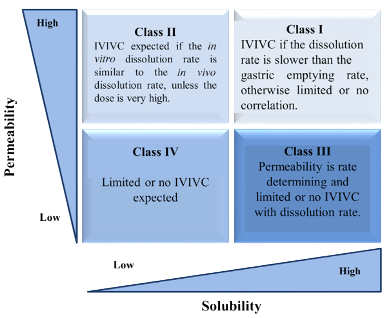
- The Solubility & Permeability Wall: According to the FDA's Biopharmaceutics Classification System (BCS), most peptides are Class III or IV drugs with low permeability. They might dissolve in the gut (high solubility), but they simply can't get across the intestinal wall to reach the blood.
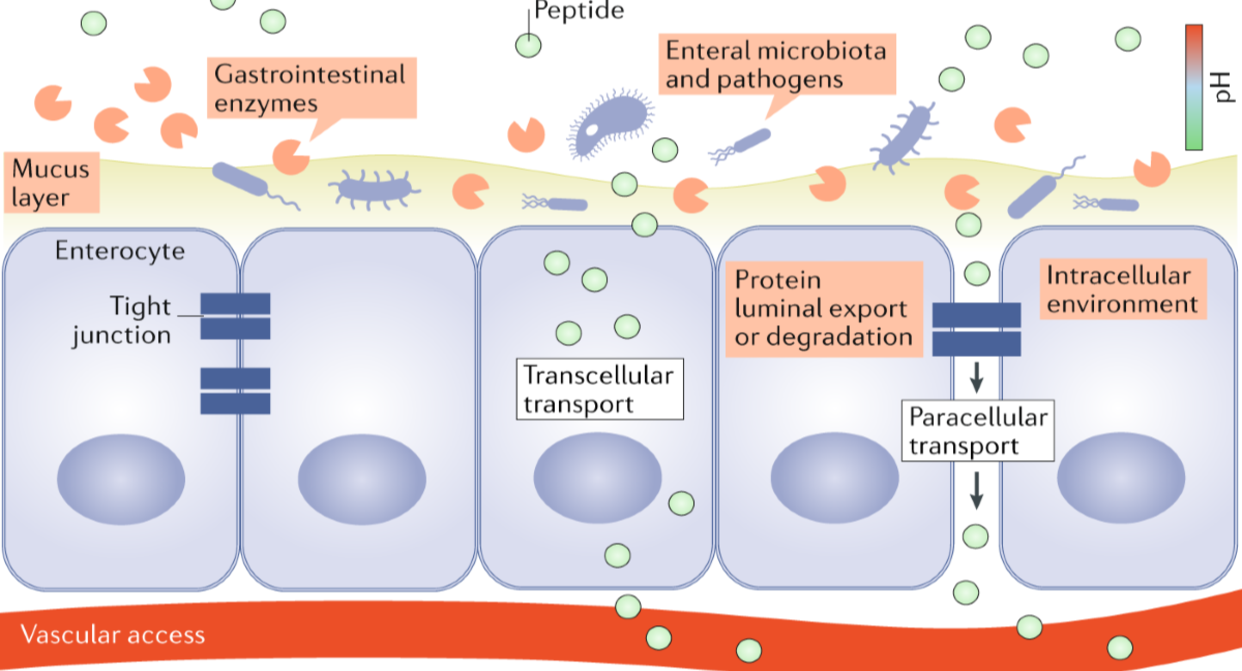
- The GI Challenge: The gut lining poses an enzymatic barrier, a mucosal barrier, and an absorption barrier. The stomach's acidic environment and the enzyme pepsin that is activated under acidic condition start the assault. Moreover, the intestine doubles down with a cocktail of endopeptidases (cleaving the middle) and exopeptidases (cleaving the ends) waiting to chop up any peptide that gets close. [2,3]
- The Half-Life Clock: Because peptide drugs are small (typically < 10kDa), they are rapidly filtered out by the kidneys. This renal clearance, combined with proteases in the blood, can give a "naked" peptide a half-life of mere minutes.
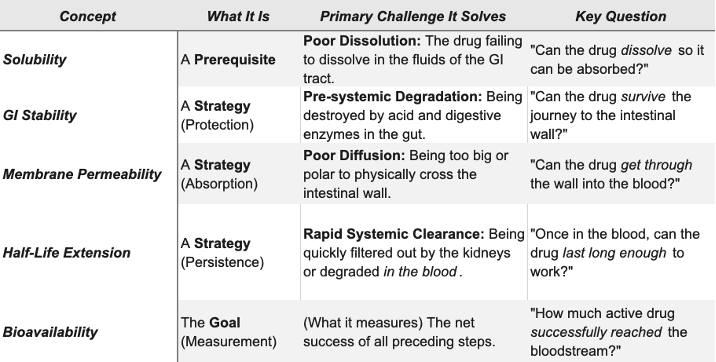
The hunt for a stable, bioavailable peptide has spawned its own arsenal of strategies. Researchers are enabled to not only increase the peptide's bioavailability through fundamental structure design, but also further improve it with formulation and delivery intelligence. Let's break down the dominant approaches.
1. Dissolve & Protect: Lipid-Based Carriers (SEDDS)
This approach uses isotropic mixtures of oils, surfactants, and co-solvents that are designed to solve solubility issues and protect the peptide payload. The most advanced versions are Self-Nanoemulsifying Drug Delivery Systems (SNEDDS). [4] This is the technology that made Cyclosporine A successful. The original version (Sandimmune®) was a simple oil solution with erratic bioavailability. The Neoral® reformulation as a SNEDDS ensured the spontaneous formation of a nano-emulsion, leading to reliable and dramatically increased absorption.
How it works
A liquid pre-concentrate of the peptide is prepared using oils (e.g., medium-chain triglycerides like Capryol 90), high-HLB surfactants (e.g., polysorbates like Tween 80 or polyoxyl castor oils like Kolliphor RH40), and co-solvents (e.g., Transcutol or PEG 400). This mixture is loaded into a capsule. Upon contact with aqueous GI fluids, the mixture undergoes spontaneous emulsification, forming fine oil-in-water nano-emulsions (droplet size <200 nm). The peptide is partitioned within these lipid droplets, shielding it from both the acidic environment and enzymatic degradation. Crucially, the surfactants also act as P-glycoprotein (P-gp) efflux pump inhibitors at the enterocyte membrane, preventing the peptide from being "spat back out" into the lumen after absorption. [4]
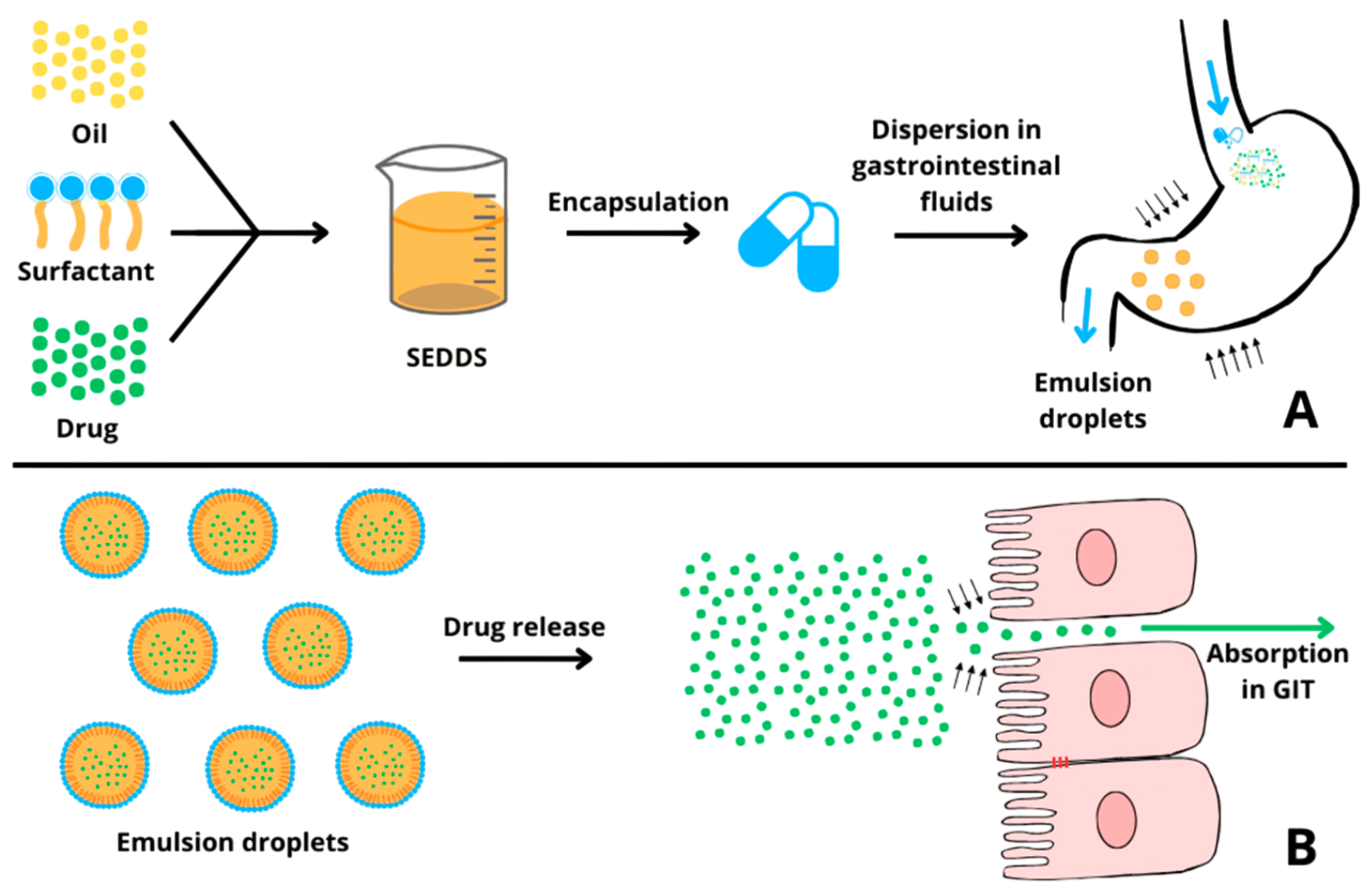
The peptide is dissolved in an oily liquid and put in a capsule. When you swallow it, the formulation spontaneously forms billions of tiny, stable oil droplets. The peptide is trapped and protected inside these droplets that shield it from acid and enzymes.
The Good
- Dual-Action Mechanism: Simultaneously solves for solubility and stability. The components also actively enhance absorption by inhibiting efflux pumps.
- High Drug Loading: Lipid-based systems can often dissolve large amounts of lipophilic compounds.
- Manufacturing Scalability: As a liquid-in-capsule system, it's a relatively mature and scalable manufacturing process.
The Bad
- Hydrophilic Peptide Problem: This strategy is ideal for lipophilic ("greasy") drugs, but most peptides are hydrophilic.
- The Fix (is complex): To load a hydrophilic peptide, you may have to use Hydrophobic Ion Pairing (HIP). This involves adding an amphiphilic counter-ion (e.g., docusate sodium) to the peptide.
- Excipient Load: Formulations often require high concentrations (30-60%) of surfactants and co-surfactants, which can cause GI irritation.
2. Open Sesame: Permeation Enhancers (PEs)
This is a bold strategy. Instead of protecting the peptide, you co-formulate it with a small molecule that reversibly opens the intestinal barrier itself.
- Mycapssa® (octreotide): Uses an enteric-coated tablet with sodium caprylate (C8) to enable paracellular (between-cell) absorption in the intestine.
- Rybelsus® (semaglutide): Employs SNAC to facilitate transcellular (through-cell) absorption, uniquely, in the stomach.
- MK-0616: formulated with sodium caprate (C10) as enhancer.
How it works
This strategy targets the tight junctions (TJs) between intestinal cells, which normally form an impermeable "zipper" to block large molecules. [6]
- Paracellular (Between Cells): Medium-chain fatty acids (MCFAs) like sodium caprate (C10) and sodium caprylate (C8) are not primarily calcium chelators. Instead, their mechanism is thought to involve membrane perturbation. The fatty acid molecules insert themselves into the cell's lipid membrane. This disruption is believed to trigger an intracellular signaling cascade (potentially involving calmodulin or Protein Kinase C). This cascade then leads to the contraction of the perijunctional actinomyosin ring, which pulls on the tight junction (TJ) proteins. This action physically and transiently delocalizes key proteins like claudin, occludin, and ZO-1 from the cell junction, opening the "gate" for the peptide to slip through.
- Transcellular (Through the Cell): SNAC (salcaprozate sodium) has a different mechanism. It is an amphiphilic, non-covalent carrier. In the stomach, it acts as a local buffer, raising the pH to inhibit pepsin's activity. It then forms a weak, non-covalent complex with the peptide, neutralizing its charge and increasing its lipophilicity. This "disguised" complex favors passive transcellular diffusion through the cell membrane itself.
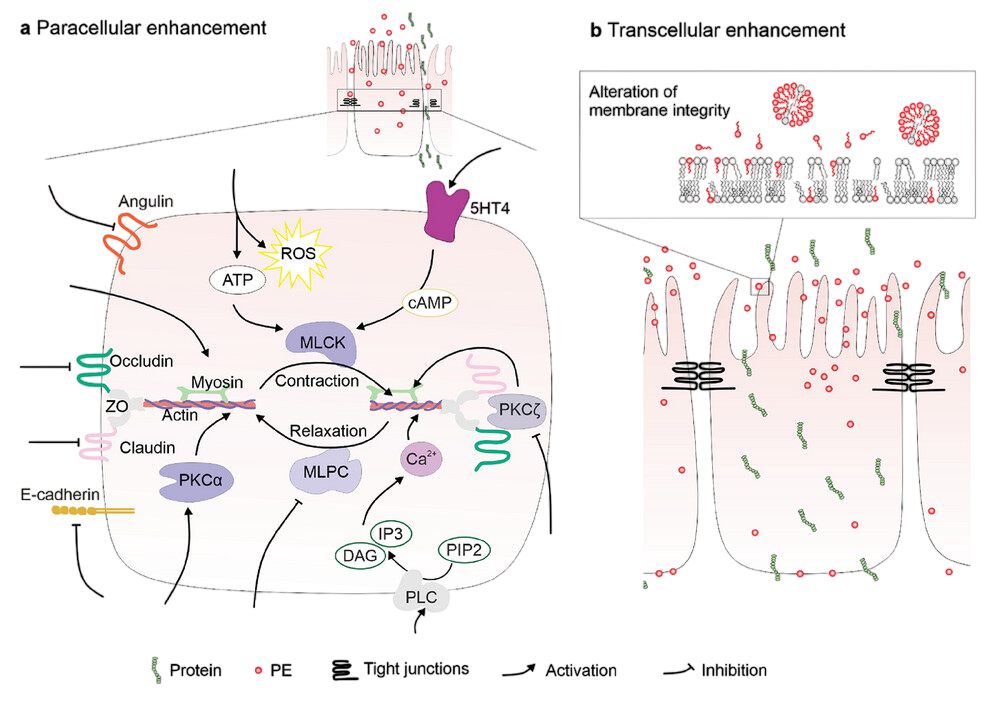
In this case, if you can't get through the wall, just open the door. These molecules temporarily "unzip" the rivets (tight junctions) between gut cells, creating a gap for the peptide to slip through (C8 and C10). Or, they disguise the peptide and help it pass directly through the cell wall (SNAC).
The Good
- Proven & Effective: This is the only strategy to date that has resulted in blockbuster, FDA-approved oral peptide pills.
- Simple Formulation: From a manufacturing standpoint, it's often just adding one more "inactive" ingredient (the PE) to a standard tablet.
The Bad
- The "Leaky Gut" Problem: The mechanism is non-specific. While the gate is open for your peptide, it might also be open for other contents. Proving long-term safety and rapid reversibility is the regulatory hurdle.
- The "Right Place, Right Time" Problem: The PE and the peptide must be released from the tablet and arrive at the absorption site simultaneously and in high concentration, which is a pharmacokinetic challenge.
- Low Bioavailability: Oral semaglutide's bioavailability is <1%. This means 99% of the peptide is wasted, which is only commercially viable because the peptide is so potent.
3. Ultra Marathon: Half-Life Extension
This strategy isn't for oral delivery, but it's the most successful formulation strategy of all time for injectable peptides. It directly fights the "Half-Life Clock" problem of rapid renal clearance.
- Ozempic®/Wegovy® (semaglutide): The poster child for lipidation. The C18 di-acid chain gives it a ~7-day half-life. [7]
- Plegridy® (peginterferon beta-1a): A classic example of PEGylation, allowing patients with multiple sclerosis to inject every two weeks instead of multiple times per week. [8]
- MariTide (maridebart cafraglutide): This molecule is an innovative conjugate that attaches two GLP-1 agonist peptides to a monoclonal antibody. It has a half-life of approximately 21 days, which supports a once-monthly or less frequent dosing schedule. [9]
How it works
This strategy chemically modifies the peptide to make it too big or "too busy" to be filtered by the kidneys.
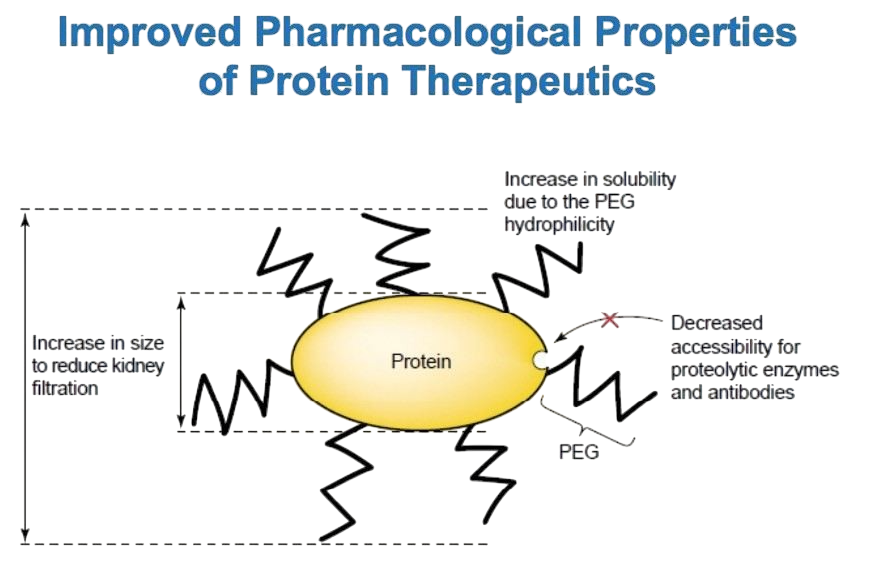
- PEGylation: A large, hydrophilic polymer, polyethylene glycol (PEG), is covalently attached to the peptide (e.g., via N-terminal aminolysis). This creates a massive "hydrodynamic radius". A 20 kDa PEG chain, for example, can make a 5 kDa peptide behave like a 70-100 kDa protein in solution. This "effective size" is far above the ~50 kDa glomerular filtration cutoff, preventing its clearance.
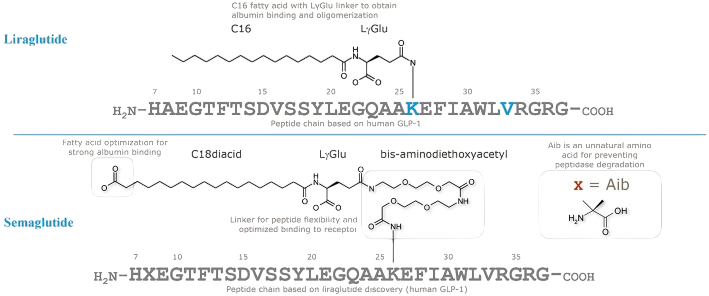
- Lipidation: A fatty acid chain is covalently attached to the peptide. This allows the peptide to "hitch a ride" by binding reversibly to serum albumin (66 kDa), a massive protein in the blood. Since albumin itself has a half-life of ~19 days, the peptide is protected. The chemistry is precise: semaglutide is acylated at the Lys26 position with a C18 di-acid chain (via a spacer). This specific di-acid tail binds with high affinity to the Sudlow site II on human serum albumin.
- Antibody-Peptide Conjugation (APC): A third way is to fuse or conjugate the active peptide to a much larger protein, like a monoclonal antibody (mAb). The massive size of the antibody (approx. 150 kDa) prevents it from being filtered by the kidneys.
Essentially, the kidney is like a bouncer that throws out any peptide small enough to fit through the door (~50 kDa). PEGylation gives the peptide a giant coat, making it big enough to stay. Lipidation gives the peptide an anchor to latch onto albumin, a massive "battleship" in the blood that the bouncer can't move.
The Good
- Game-Changing Half-Life: This technology is what turned "multiple-daily" injections into "once-daily" or even "once-monthly" injections, transforming patient compliance.
- Protease Shielding: Both the PEG "cloak" and the binding to albumin provide steric hindrance, shielding the peptide from being degraded by circulating enzymes like DPP-4.
- Validated Platform: This is a multi-billion dollar, proven, and well-understood technology.
The Bad
- Potency Tax: The massive PEG or lipid attachment can sometimes get in the way, reducing the peptide's binding affinity for its target. This is a potency tax that must be engineered around.
- Manufacturing & Purity: These are "peptide conjugates," not simple peptides. The chemical conjugation step adds complexity and cost, and creates new potential impurities that must be characterized.
- PEG-Specific Issues: In rare cases, the body can develop anti-PEG antibodies, neutralizing the drug. High doses of long-chain PEGs have also been associated with cellular vacuolation (benign, but a regulatory checkpoint) in certain tissues. [10]
Why Not Nanoparticles?
You may see thousands of academic papers on using nanoparticles (liposomes, polymeric carriers, etc.) to encapsulate peptides. In theory, this solves degradation (Barrier 1) and helps with absorption (Barrier 2). However, this approach has a massive "translation gap" and has not produced the clinical success of the other two strategies.
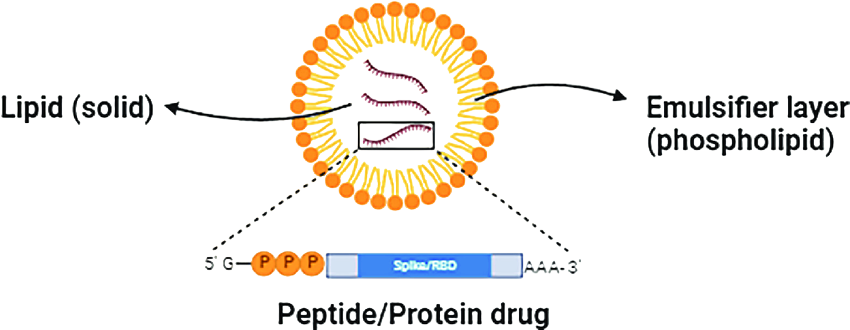
In this approach, the peptide is trapped within a solid matrix using techniques like double emulsion (w/o/w) solvent evaporation (for PLGA) or hot/cold high-pressure homogenization (for SLNs). This acts as a physical barrier against pH and enzymes.
- Mucoadhesion: The nanoparticle surface can be functionalized. For example, using chitosan (a cationic polymer) allows the particle to form electrostatic bonds with the negatively-charged sialic acid residues in mucin. This makes the particle "sticky," dramatically increasing its residence time at the intestinal wall. [11]
- Lymphatic Uptake: Nanoparticles (especially <200nm) can be taken up by M-cells in the Peyer's patches of the GALT (gut-associated lymphoid tissue). This allows the particle to enter the lymphatic system, which is an alternative absorption route. [12]
Simply put, you physically trap the peptide inside a "nanoscale suit of armor." This armor shields the peptide from the gut's acid and enzymes. Their tiny size and special coatings (like chitosan) can help them "stick" to the gut wall and slip through the mucus layer to be absorbed.
Conclusion and Outlook
Modern advances in oral and injectable peptide delivery represent a coordinated effort to overcome biological barriers. Lipid-based carriers such as Self-Emulsifying Drug Delivery Systems (SEDDS) embody the “Dissolve & Protect” approach, improving solubility, shielding peptides from proteases, and enhancing absorption, as seen with Neoral® (cyclosporine A) [13]. On the other hand, the “Open the Gate” approach uses permeation enhancers like SNAC or sodium caprylate (C8) to transiently loosen epithelial barriers, enabling oral delivery in Rybelsus® (semaglutide) and Mycapssa® (octreotide). Meanwhile, half-life extension approaches like PEGylation, lipidation, and antibody–peptide conjugation have transformed injectable therapies by preventing renal clearance and prolonging circulation, exemplified by Ozempic®, Plegridy®, and MariTide.
Ultimately, success in peptide therapeutics relies on integrating molecular potency with smart formulation design. The future of oral peptides hinges not upon a single technology, but upon the synergy of chemistry, materials science, and biology.
About the Inside the Ring Series
If you haven't already, check out the other articles in this series below. Each one reveals a new layer to the story of how peptides are reshaping biomedicine.
Inside the Ring Series 1: Introduction to Cyclic Peptides
Inside the Ring Series 1.5: From Lab Bench to Pill Bottle
Inside the Ring Series 2: Cracking the Code of Permeability
Inside the Rings, Series 3: Prioritizing Immunology Targets for Cyclic Peptides
Inside the Rings, Series 4: Peptides on a Mission Drugs - Where They Matter
Inside the Ring Series 6: How We Find the Needles in Cyclic Peptide Haystacks
References
[1] Shekhawat, Prachi B., and Varsha B. Pokharkar. "Understanding peroral absorption: regulatory aspects and contemporary approaches to tackling solubility and permeability hurdles." Acta pharmaceutica sinica B 7.3 (2017): 260-280.
[2] Intestinal mucosal barrier https://en.wikipedia.org/wiki/Intestinal_mucosal_barrier#:~:text=The%20intestinal%20mucosal%20barrier%2C%20also,of%20health%20and%20well%2Dbeing.
[3] Steffansen, Bente, Carsten Uhd Nielsen, and Sven Frokjaer. "Delivery aspects of small peptides and substrates for peptide transporters." European journal of pharmaceutics and biopharmaceutics 60.2 (2005): 241-245.
[4] Buya, Aristote B., et al. "Self-nano-emulsifying drug-delivery systems: From the development to the current applications and challenges in oral drug delivery." Pharmaceutics 12.12 (2020): 1194.
[5] Serrano, Ana Carolina Carvalho Lopes, et al. "The Use of Design of Experiments (DoE) Approaches for the Development of Self-Emulsifying Drug Delivery Systems (SEDDS)." Applied Nano 6.1 (2025): 4.
[6] Bohley, Marilena, and Jean‐Christophe Leroux. "Gastrointestinal Permeation Enhancers Beyond Sodium Caprate and SNAC‐What is Coming Next?." Advanced Science 11.33 (2024): 2400843.
[7] Østergaard, Søren, et al. "The effect of fatty diacid acylation of human PYY3-36 on Y2 receptor potency and half-life in minipigs." Scientific Reports 11.1 (2021): 21179.
[8] Hoy, Sheridan M. "Peginterferon beta-1a: a review of its use in patients with relapsing-remitting multiple sclerosis." CNS drugs 29.2 (2015): 171-179.
[10] Fu, Shujun, et al. "Anti-PEG antibodies and their biological impact on PEGylated drugs: challenges and strategies for optimization." Pharmaceutics 17.8 (2025): 1074.
[11] Takeuchi, Hirofumi, Hiromitsu Yamamoto, and Yoshiaki Kawashima. "Mucoadhesive nanoparticulate systems for peptide drug delivery." Advanced drug delivery reviews 47.1 (2001): 39-54.
[12] Zou, Yan, et al. "Lymphatic absorption, metabolism, and excretion of a therapeutic peptide in dogs and rats." Drug Metabolism and Disposition 41.12 (2013): 2206-2214.
[13] Al Tahan, Mohamad Anas, Ali Al-Khattawi, and Craig Russell. "Oral Peptide Delivery Systems: Synergistic Approaches Using Polymers, Lipids, Nanotechnology, and Needle-Based Carriers." Journal of Drug Delivery Science and Technology (2025): 107205.
[14] Knudsen, Lotte Bjerre, and Jesper Lau. "The discovery and development of liraglutide and semaglutide." Frontiers in endocrinology 10 (2019): 155.
[15] Mehrdadi, Soheil. "Solid Lipid Nanoparticles: A Promising Drug Delivery System and their Potential for Peptide and Protein Therapeutics." (2024).

Our mission is to democratize computational drug discovery tools and empower researchers and organizations worldwide.