

Inside the Ring Series 5: Swallowing the Impossible - How Cyclic Peptides Made the Leap from Injection to Pill
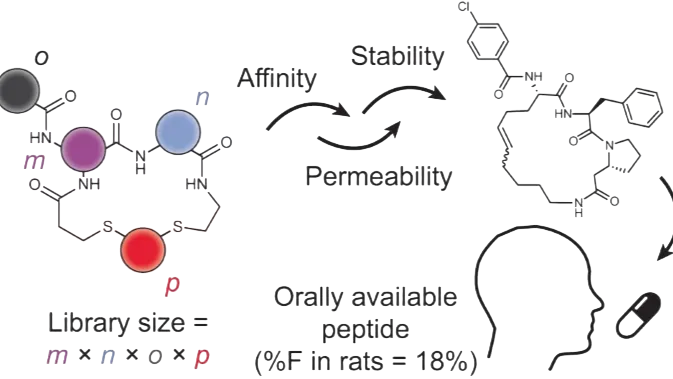
Picture this: you wake up with a chronic condition that requires powerful, precise medicine. Your doctor hands you two options: a daily injection that you must self-administer, store in the fridge, and never forget when traveling, and a simple pill you can pop with your morning coffee. For decades, patients dealing with complex diseases have been stuck with the former when it comes to the most cutting-edge treatments. While small molecule drugs conquered the pill bottle long ago, their bigger, more sophisticated cousins, peptides, remained reliant on injection.
Now, cyclic peptides are finally making the leap from injection to ingestion. In this series, we'll introduce the four oral peptides under clinical investigation, followed by the biotechs behind their success.
Why Oral Delivery Matters (And Why It's So Difficult)
The pharmaceutical world has long been governed by what's known as the "Rule of Five" — essentially a molecular weight limit that determines whether a drug can be swallowed and absorbed.[1-3] Think of it as the bouncer at an exclusive club, keeping anything too big or complicated from getting past the intestinal wall.
Cyclic peptides have always been the talents stuck outside this club. They're excellent at hitting targets that small molecules can't even see (“flat/shallow” binding sites), and modulating protein-protein interactions once considered "undruggable."[4-8] But their size and chemical properties made it hard to survive a trip through the digestive system. [9-10]
The barriers are massive:
- The Acid Bath: Your stomach is essentially a chemical warfare zone, with pH levels rivaling those of battery acid
- The Enzyme Army: Dozens of proteases lurk in your gut, ready to chop peptides into fragments
- The Membrane Fortress: Even if they survive the journey, peptides still need to cross the intestinal wall
Yet despite these challenges, a new generation of oral cyclic peptides is not just surviving the journey, but thriving.
The Breakthrough Brigade: Four Game-Changers
1. LUNA-18: The RAS Whisperer That Almost Was
Chugai Pharmaceutical Co., Ltd. thought they had lightning in a bottle with LUNA-18. This cyclic peptide was designed to tackle one of cancer's most notorious villains: mutated RAS proteins, which drive about 30% of all human cancers and had evaded every treatment attempt. LUNA18 disrupts the protein–protein interaction between RAS and guanine nucleotide exchange factors (GEFs), thereby maintaining RAS in an inactive conformation. Through this mechanism, the compound suppresses the proliferation of tumor cells and represents a potential therapeutic modality for RAS-driven cancers, a disease category that currently lacks effective treatment options.
LUNA-18's story began with an almost impossibly large library through mRNA display technology. From this molecular haystack, researchers discovered a promising HIT called AP8747. But here's where the real magic happened: through systematic optimization, they transformed a molecule with mediocre cellular activity (over 20,000 nM) into a powerhouse with 1.4 nM potency — that's a 14,000-fold improvement! Even more impressively, LUNA-18 achieved oral bioavailability ranging from 21% to 47% across multiple animal species. To put this in perspective, many injectable peptides struggle to achieve any meaningful oral absorption at all. [11]
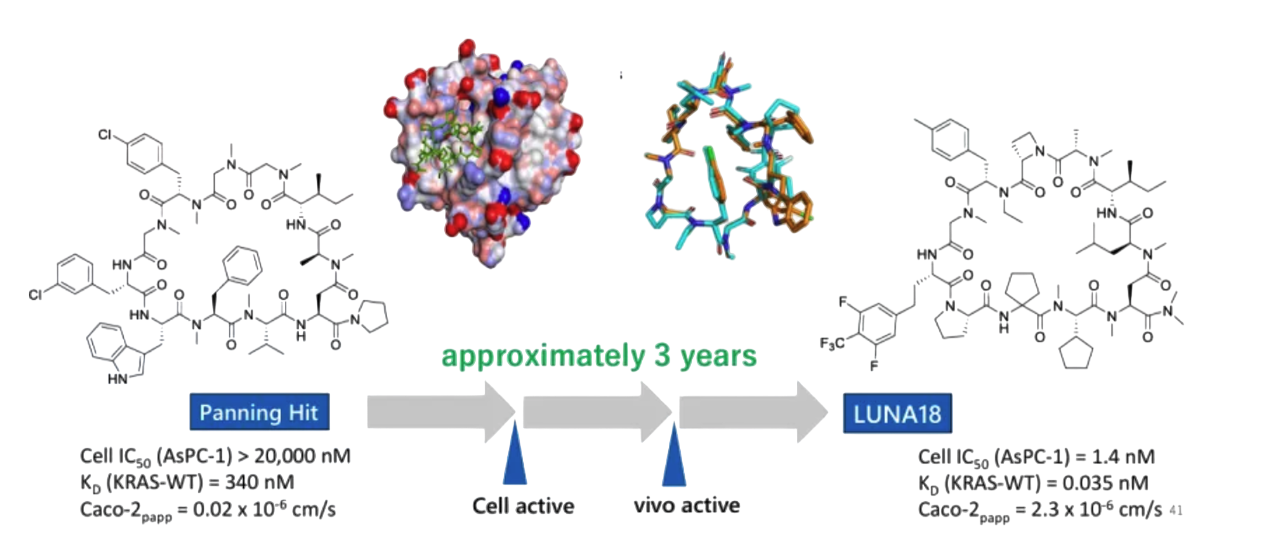
The preclinical results were nothing short of spectacular. In mouse studies, oral doses of just 10 mg/kg per day caused tumors to shrink without causing the animals to lose weight. Moreover, the compound showed pronounced anti-tumor efficacy in multiple cancer cell lines, such as non-small cell lung cancer (NCI-H2122), pancreatic cancer (NCI-H441), and gastric cancer (GSU).
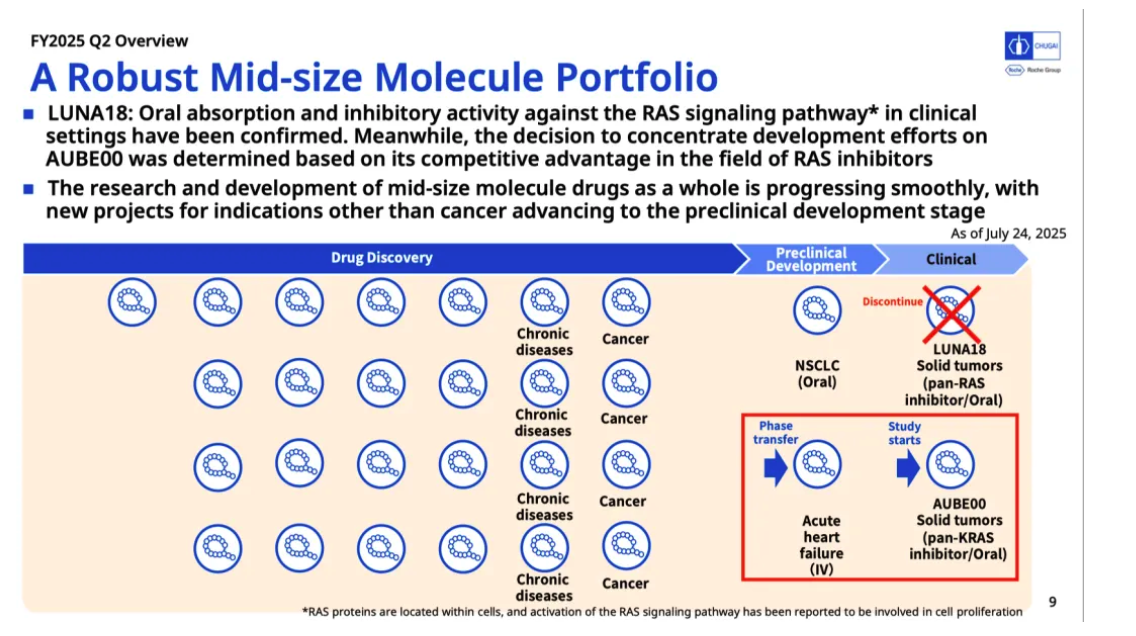
The Phase I clinical study for patients with locally advanced or metastatic solid tumors was subsequently terminated. So what went wrong? In a plot twist, Chugai suddenly terminated LUNA-18's Phase I clinical trial and pivoted to a different RAS inhibitor called AUBE00. The official reason: superior competitive advantage in the crowded RAS inhibitor space. For a quick overview of Chugai's peptide discovery platform, head to Section 5.
2. JNJ-2113: The Psoriasis Pill That Actually Works
If LUNA-18 was the promising rookie cut too soon, JNJ-2113 (Icotrokinra, formerly PN-235) was the seasoned veteran that keeps bringing home championships. The molecule was developed by Protagonist Therapeutics and exclusively licensed worldwide to Johnson & Johnson in 2017. JNJ-2113 represents the first successful attempt to selectively block the interleukin-23 receptor (IL-23R), a key driver of psoriasis and other inflammatory diseases.
The affinity alone tell an incredible story. JNJ-2113 originates from iterative optimization of PTG-200, the first generation oral peptide targeting IL-23R. PTG-200 is a gut-restricted cyclic peptide with binding affinity of approximately 2.4 nM, initially advanced for ulcerative colitis (UC) but discontinued after Phase II due to its localized pharmacological profile. Building upon the PTG-200 scaffold, systematic screening and targeted chemical modifications markedly enhanced molecular potency and membrane permeability. JNJ-2113 binds to its target with single-digit picomolar affinity. That's like being able to detect a single grain of sugar dissolved in an Olympic-sized swimming pool.
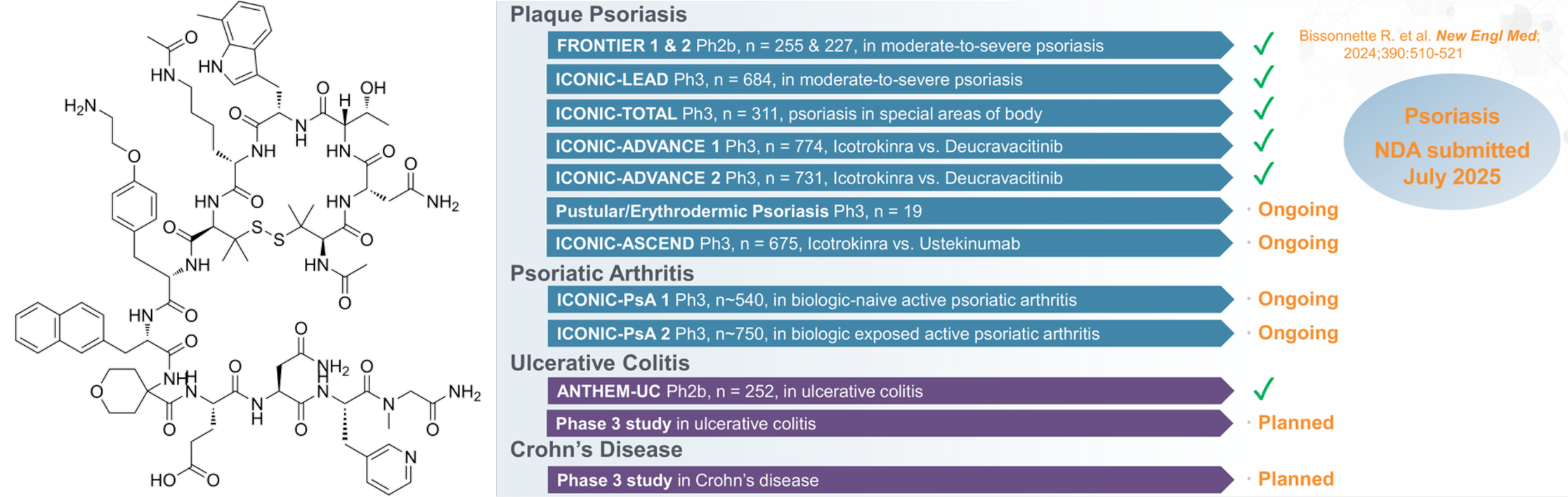
But binding tightly is only half the battle. The real test came in clinical trials, where JNJ-2113 had to prove it could deliver meaningful benefits to patients suffering from moderate-to-severe plaque psoriasis. In the Phase I study, the drug showed predictable, dose-proportional increases in exposure across a wide range (10–1000 mg).
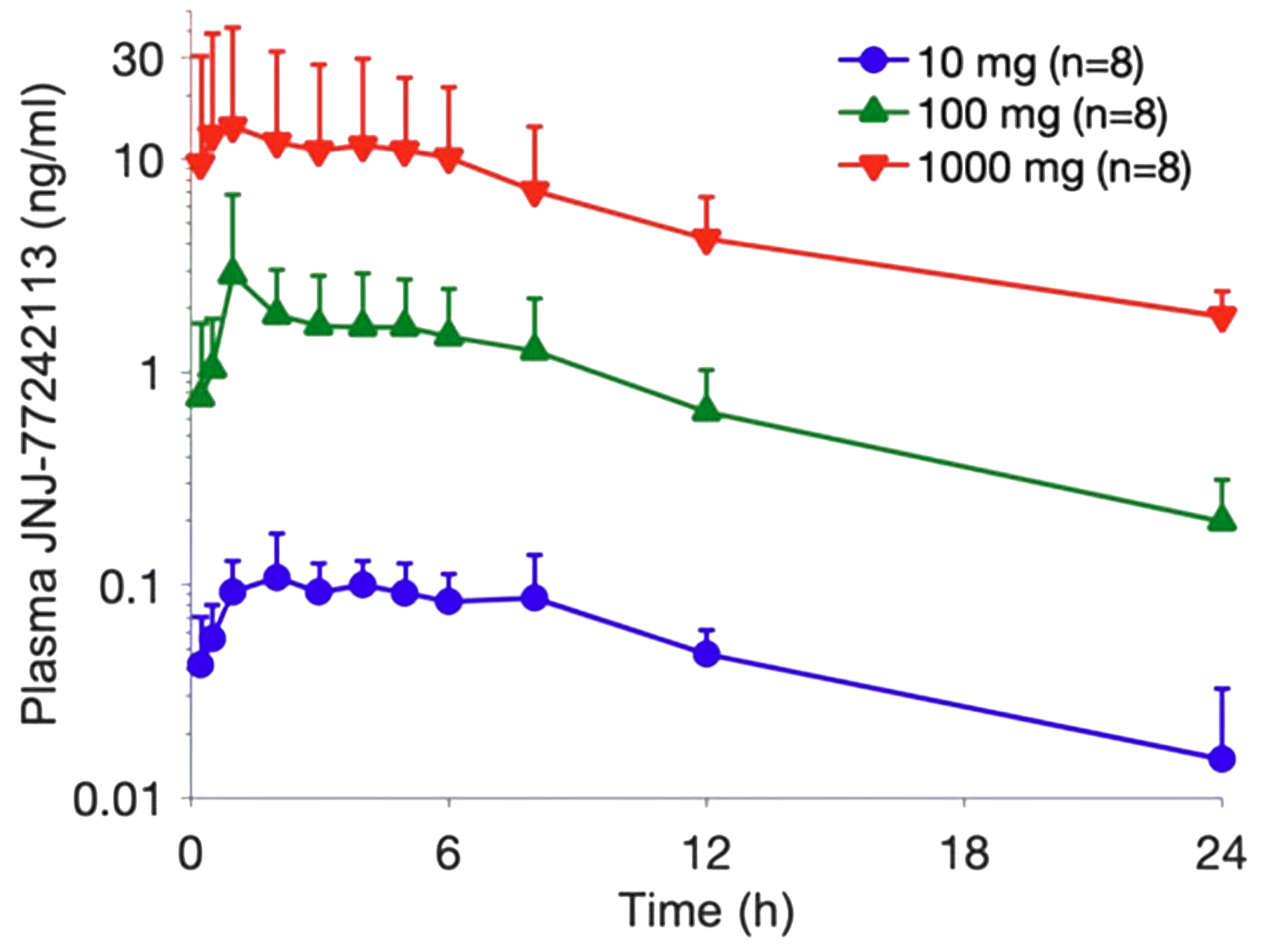
After 10 days of daily dosing, drug levels in the blood rose modestly compared to Day 1, 0.7–1.6 times higher for peak concentration (Cmax) and 0.9–1.5 times higher for overall exposure (AUC). However, overall plasma exposure remained very low, pointing to limited oral bioavailability. [12] The FRONTIER-1 Phase II study results were impressive across the board. At the highest dose tested (100 mg twice daily), 79% of patients achieved PASI-75 response (75% improvement in psoriasis severity) compared to just 9% on placebo. Even more remarkably, 40% achieved complete skin clearance — something many patients had never experienced with previous treatments. [13]
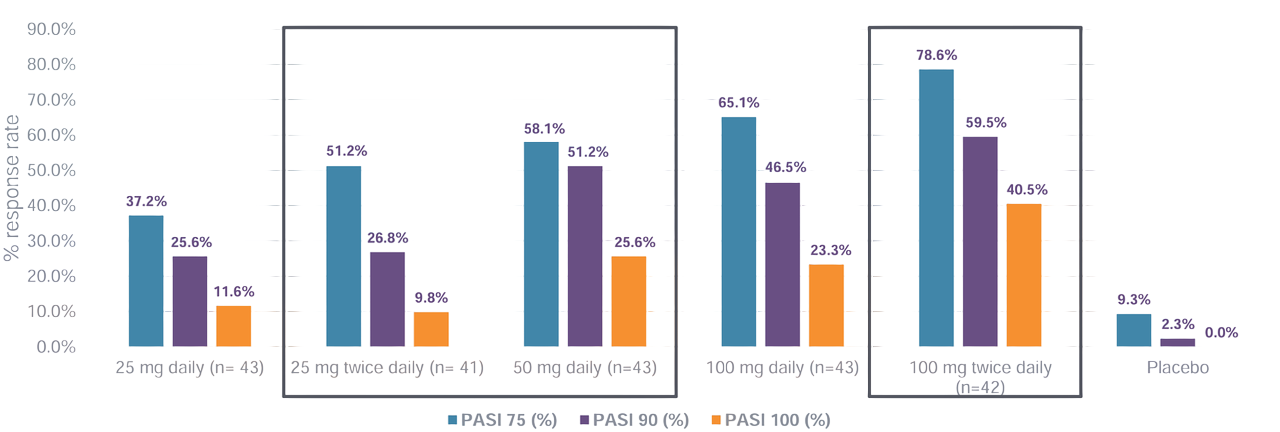
The real validation came with the ICONIC Phase III trial results, released in November 2024. Nearly 65% of patients achieved PASI-90 (90% improvement), 75% reached clear or almost clear skin, and roughly half achieved complete clearance by week 24. These numbers put JNJ-2113 ahead of other oral treatments and competitive with injectable biologics. [14]
In the Phase IIb ulcerative colitis trial announced on March 10, 2025, J&J's oral IL-23R cyclic peptide inhibitor delivered standout results. By week 12, nearly two-thirds of patients (63.5%) achieved a clinical response, and almost one in three (30.2%) reached clinical remission, and all three dosing regimens met the primary endpoint with a favorable safety profile. [15]
3. MK-0616: Cholesterol's New Nemesis
Merck's MK-0616 (Enlicitide) represents perhaps the most audacious challenge to conventional wisdom in cardiovascular medicine. For years, the most effective cholesterol-lowering drugs after statins have been PCSK9 inhibitors, powerful injectable biologics that cost thousands of dollars per year and require regular clinic visits. MK-0616 dared to ask: what if we could get the same results with a simple pill?
The molecule emerged from a collaboration with Ra Pharmaceuticals, using mRNA display technology to screen massive peptide libraries against PCSK9. But here's where the real artistry began: what Ra handed off to Merck was essentially a rough diamond that is potent but completely unsuitable for oral delivery.
The transformation that followed was one of the most sophisticated examples of structure-based drug design (SBDD) in peptide optimization. Merck's team faced a molecular puzzle with dozens of moving pieces: every single modification could enhance one property while destroying another. Increase lipophilicity to improve membrane permeability, and risk poor solubility or off-target binding. Add bulk to resist enzymatic degradation, and risk lose target affinity. Modify the wrong amino acid, and the entire molecule could become toxic.
This is where computational chemistry became a formidable weapon. Using molecular modeling and structure-activity relationship predictions, the team could simulate thousands of potential modifications before synthesizing a single molecule. They mapped out how each amino acid position influenced different properties: positions 3 and 7 might control binding affinity, while positions 5 and 12 determined membrane permeability, and positions 9 and 15 governed metabolic stability. The medicinal chemistry team then executed a masterclass in precision optimization. Rather than making random changes and hoping for the best, they systematically addressed oral bioavailability, metabolic stability, safety and potency.
The result was a molecule that bore only superficial resemblance to Ra's original hitL same core binding motif, but completely re-engineered as shown in the figure below.
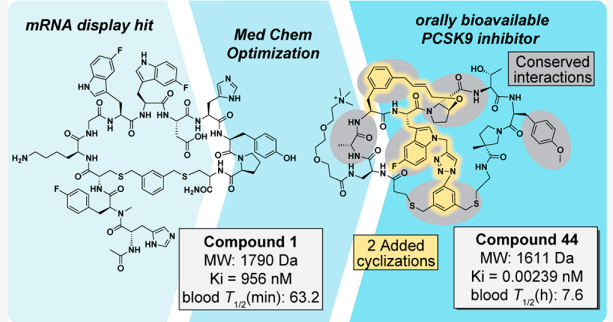
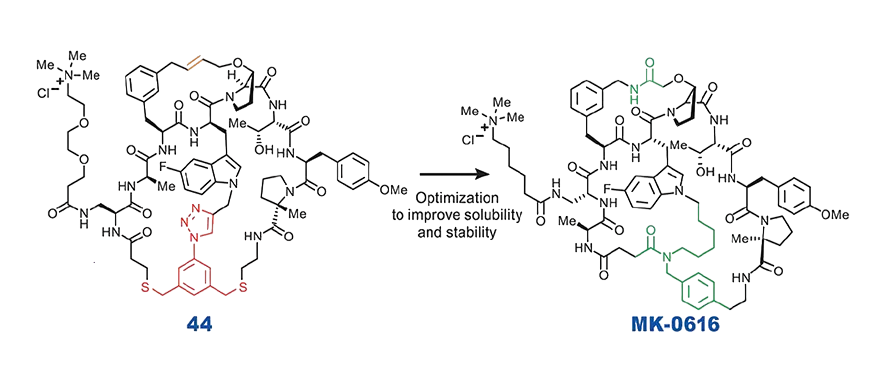
A Perfect Case Study: Important modifications of compound 44 found in MK-0616 are replacement of the thiol-based linker and central triazole to minimize oxidation susceptibility (44 = 98%, MK-0616 = 2.9%) while maintaining potency (44 Ki = 2 pM, MK-0616 Ki = 5 pM), and changing the northern olefin to an amide crosslinker to increase solubility (via reduction in lipophilicity) and to avoid isomers generated from the olefin formation.
For readers interested in the detailed medicinal chemistry behind MK-0616's optimization, the structure-activity optimization is beautifully presented in this paper.
Phase I studies revealed MK-0616's impressive pharmacodynamic punch. Single doses reduced free PCSK9 levels by more than 93% from baseline, a reduction that was both profound and sustained for over 24 hours. When it came to the ultimate measure that matters to patients and doctors, LDL cholesterol reductions were equally dramatic: up to 60% decreases that persisted throughout the study period. [17]
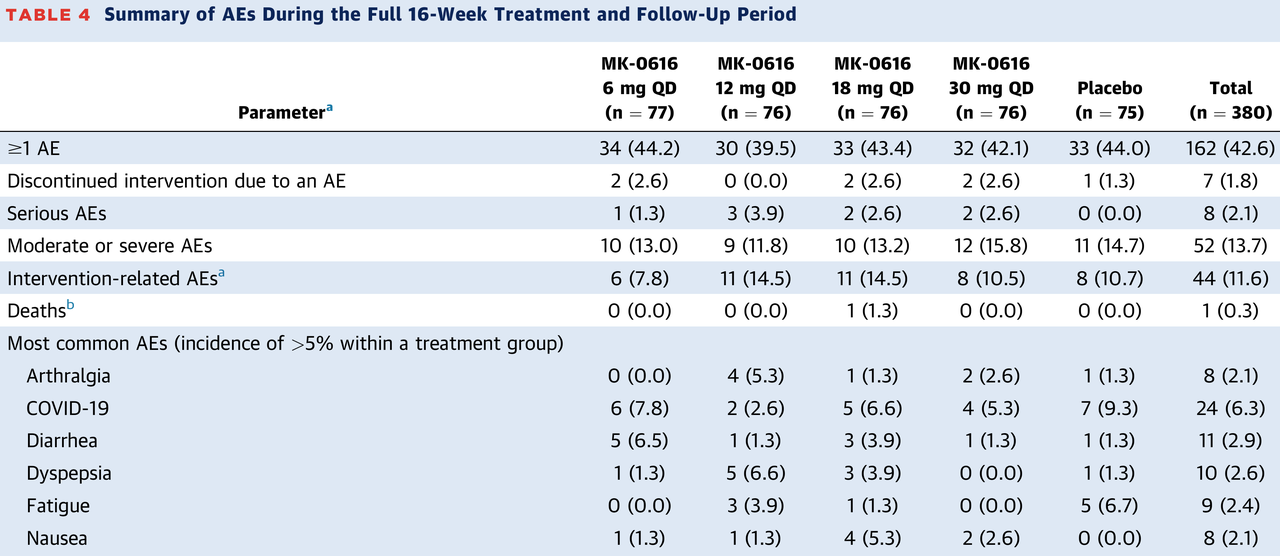
The Phase IIb results in 2024 confirmed these early promises across diverse patient populations. LDL-C reductions ranged from 41% to 61% depending on dose, with the majority of patients achieving their target cholesterol goals. Perhaps most importantly, the side effect profile was benign — the most common adverse event was COVID-19 infection, which occurred at similar rates across all treatment groups including placebo. [18]
Merck's confidence in MK-0616 became clear when they announced that Phase III trials had met their primary endpoints and key secondary endpoints (Merck Sep 02 News). While detailed data await publication, the company indicated that LDL-C reductions were not only statistically significant but also clinically meaningful, with safety profiles consistent with earlier studies.
4. BMS-986238: The Immuno-Oncology Dark Horse
Bristol Myers Squibb's BMS-986238 represents a fascinating case study in learning from failure and iterating toward success, as in long-term collaboration with PeptiDream Inc.. It starts from an iterative optimization over the first-generation molecule BMS-986189, and was first disclosed at the 2025 American Chemical Society Spring Meeting. The company's first attempt at an oral PD-L1 inhibitor, BMS-986189, was potent but problematic in that it bound to its target with picomolar affinity but had such a short half-life that it required daily dosing and still struggled with suboptimal exposure.
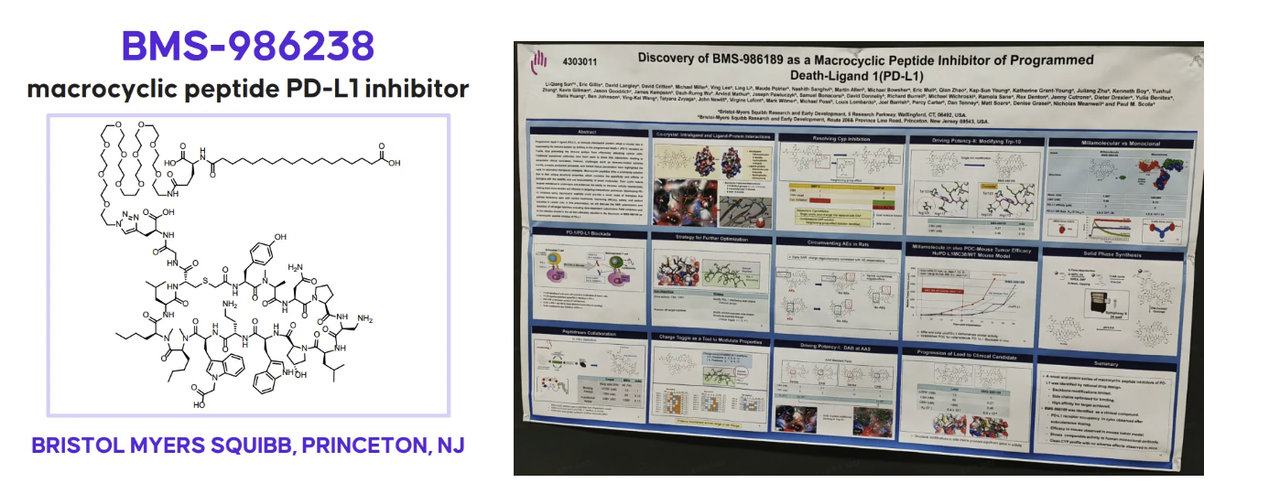
BMS-986238 is the "director's cut", a second-generation molecule that addresses every weakness of its predecessor while maintaining its strengths. Researchers attached a long-chain fatty acid via a polyethylene glycol (PEG) linker, creating a molecule that reversibly binds to serum albumin.
This design borrows a page from the GLP-1 receptor agonist playbook (think Ozempic and Wegovy), where similar modifications enable once-weekly dosing of what would otherwise be rapidly cleared peptides. The strategy paid off: BMS-986238 achieved half-lives exceeding 19 hours in preclinical studies, a dramatic improvement that opens the door to more convenient dosing regimens. [19-20]
The team emphasized that their goal wasn't necessarily to maximize absolute bioavailability because PD-L1 inhibitors work at relatively low concentrations. Instead, the extended half-life reduces variability in drug exposure, a critical factor for oral administration where absorption can be unpredictable. The mere fact that BMS-986238 advanced through first-in-human oral dosing studies suggests the preclinical promise has translated to meaningful human exposure.
The Platform Pioneers: Biotechs in the Game
Behind these individual success stories lie innovative companies that have built industrial-strength platforms for oral peptide discovery and development.
Protagonist Therapeutics has assembled what might be the most clinically validated approach to oral peptides. Their strategy combines phage display screening with systematic medicinal chemistry optimization, incorporating non-natural amino acids and strategic side-chain modifications. The company's track record speaks for itself: JNJ-2113 in Phase III for psoriasis, and a pipeline spanning IL-17 antagonists, obesity treatments, and hepcidin mimetics.
Chugai Pharmaceutical Co., Ltd.'s Cyclosporine-Inspired Platform takes a different but equally clever approach. Rather than starting with arbitrary peptides and trying to make them drug-like, they begin with cyclosporine, a proven orally active cyclic peptide, as a structural template. This "drug-like by design" philosophy has yielded a set of molecular guidelines: 9-11 amino acids, calculated lipophilicity (cLogP) ≥ 12.9, at least six N-alkylated amino acids, amide-based cyclization, and avoidance of charged residues. Beyond KRAS-targeted “mid-size molecules,” Chugai has also extended this platform to additional therapeutic areas, including an intravenously administered cyclic peptide candidate for acute heart failure and an orally active cyclic peptide candidate for non-small cell lung cancer (NSCLC).
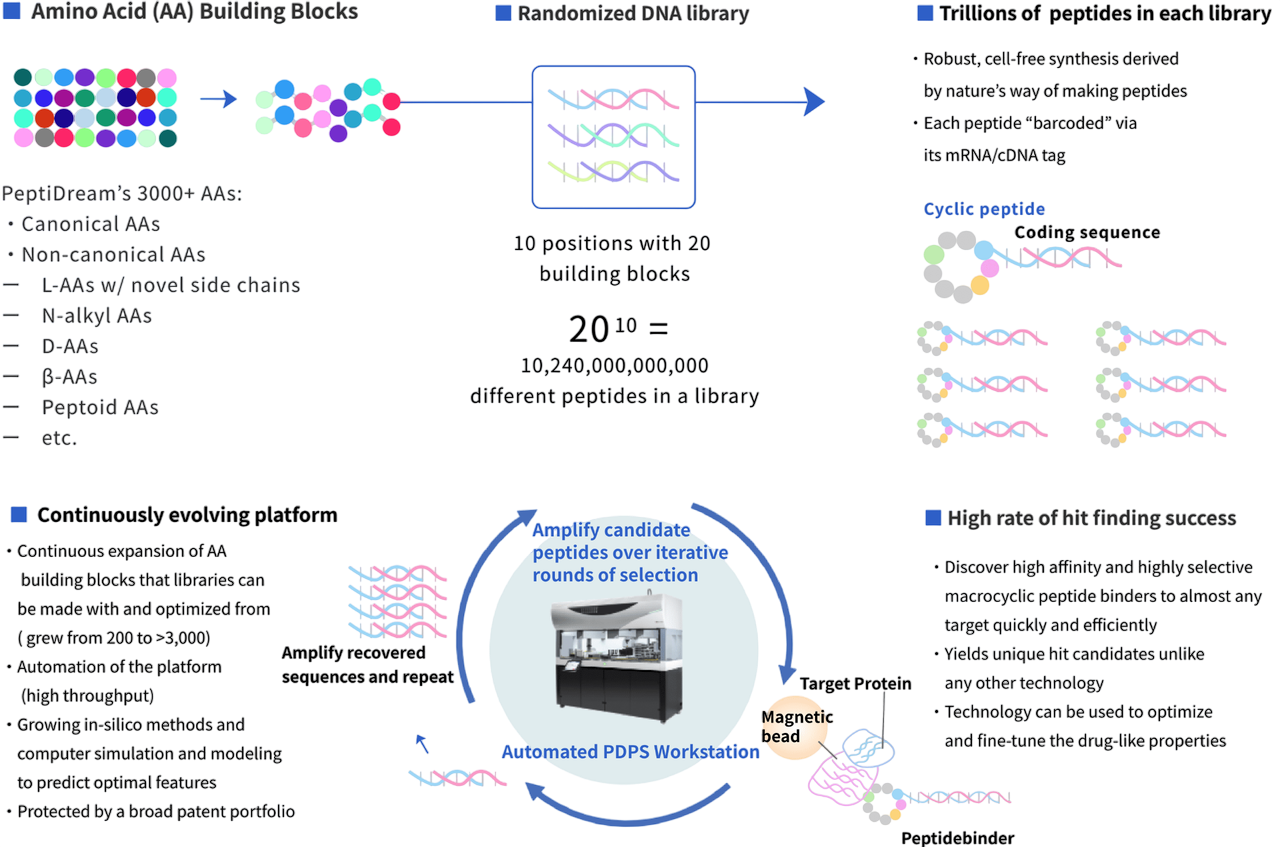
PeptiDream Inc. has used perhaps the most industrialized approach, with their Peptide Discovery Platform System (PDPS) capable of screening trillions of unique sequences against virtually any target in about a month, achieving a >95% success rate in lead identification. Their Flexizyme technology enables incorporation of over 400 different amino acids, both natural and synthetic, dramatically expanding the chemical diversity available for optimization.
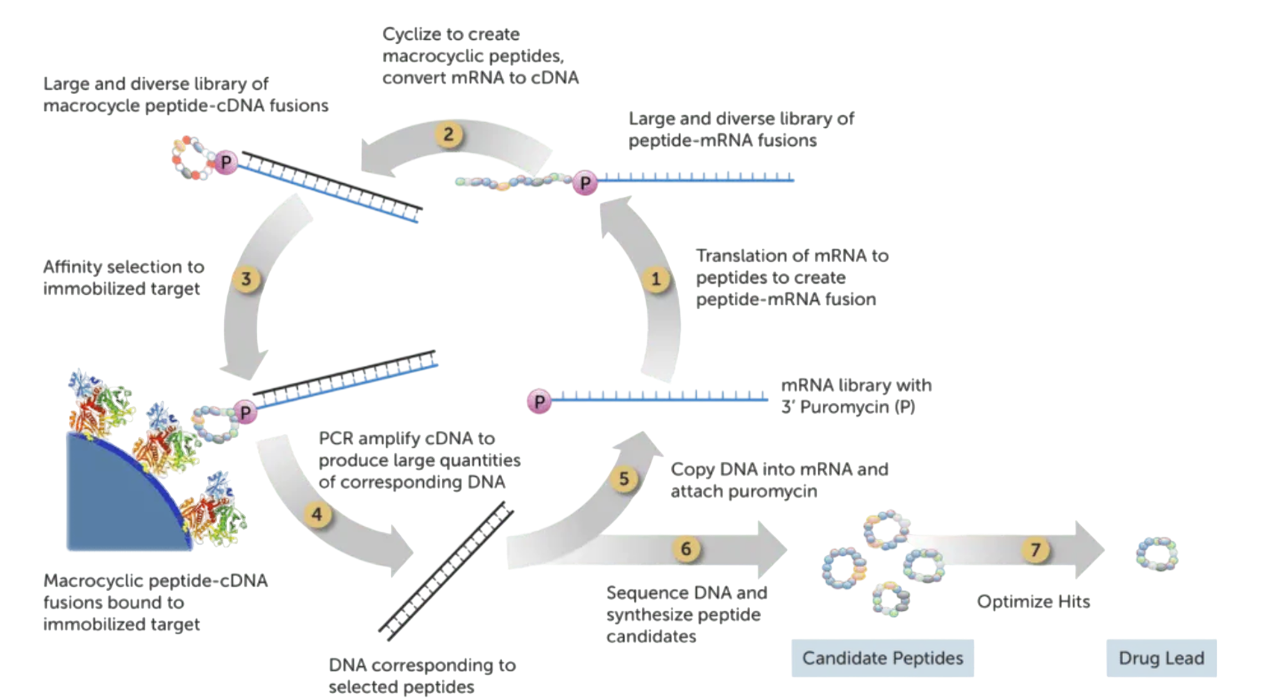
Ra Pharmaceuticals (now part of UCB) pioneered the use of mRNA display for peptide drug discovery, leading to both Zilucoplan for myasthenia gravis and the foundation technology behind Merck's MK-0616.
The Science Behind the Magic
What makes these oral peptides work when so many others have failed? The answer lies in a combination of clever molecular design and deep understanding of human physiology.
Cyclization is all you need: The circular structure isn't just for show but provides multiple layers of protection. Ring closure shields the vulnerable N- and C-termini from exopeptidases, while the constrained backbone often fails to fit properly into protease active sites, like trying to thread a bent wire through a straight hole.
Lipophilicity with Purpose: These molecules walk a tightrope between being hydrophobic enough to cross membranes but not so greasy that they precipitate or bind non-specifically to proteins. The successful compounds typically achieve calculated lipophilicity values that would make traditional medicinal chemists nervous, but they balance this with strategic polar groups and intramolecular hydrogen bonding.
Size Matters (But Not How You Think): While these peptides exceed traditional molecular weight limits, they're still small enough to exploit specialized transport mechanisms and avoid the size-based clearance that affects larger biologics.
Albumin Hitchhiking: Several of these molecules employ fatty acid modifications that allow them to bind reversibly to serum albumin, essentially catching a ride on the body's natural protein taxi service to extend circulation time and reduce renal clearance.
The Road Ahead: AI Meets Chemistry
The future of oral peptide development looks more and more like a marriage between cutting-edge artificial intelligence and fundamental biochemistry. Machine learning models are beginning to predict membrane permeability, metabolic stability, and even oral bioavailability from molecular structure alone. More importantly, AI-driven "design-make-test-analyze" (DMTA) loops are accelerating the optimization process that traditionally took months or years. Instead of making educated guesses about which modifications might improve oral bioavailability, chemists can use algorithms that suggest the most promising changes based on vast databases of structure-activity relationships.
The convergence of these technologies with high-throughput synthesis and screening platforms suggests we're entering a golden age of oral peptide drug discovery. Targets that were considered "undruggable" just a decade ago are now yielding to increasingly sophisticated cyclic peptides.
Beyond the Rule of Five
The success of these oral cyclic peptides represents more than just incremental progress — it's a paradigm shift that challenges fundamental assumptions about what constitutes a "drug-like" molecule. The pharmaceutical industry's obsession with the Rule of Five, while useful for small molecules, may have inadvertently blinded us to the therapeutic potential of larger, more complex structures.
The next time you pop a pill, remember: you might be experiencing the future of medicine, one that extends far beyond the traditional boundaries of what we thought drugs could be. Sometimes the most revolutionary advances come not from completely new discoveries, but from finally solving problems that have been hiding in plain sight all along.
Aknowledgments
Thank you Yiwei Fu (fuyiwei@dp.tech), Dongdong Wang (wangdd@dp.tech), and Jin(Tina) Yu (yujin@dp.tech) for their valuable contributions in preparing the content for this series.
References
[1] Lipinski, C. A.; Lombardo, F.; Dominy, B. W.; Feeney, P. J. Experimental and Computational Approaches to Estimate Solubility and Permeability in Drug Discovery and Development Settings. Adv. Drug Delivery Rev. 1997, 23, 3–25.
[2] Lipinski, C. A. Lead‑ and Drug‑Like Compounds: The Rule‑of‑Five Revolution. Drug Discovery Today: Technol. 2004, 1, 337–341.
[3] Leeson, P. D.; Springthorpe, B. The Influence of Drug‑Like Concepts on Decision‑Making in Medicinal Chemistry. Nat. Rev. Drug Discovery 2007, 6, 881–890.
[4] Modell, A. E.; Blosser, S. L.; Arora, P. S. Systematic Targeting of Protein–Protein Interactions. Trends Pharmacol. Sci. 2016, 37, 702–713.
[5] Tyndall, J. D. A.; Pfeiffer, B.; Abbenante, G.; Fairlie, D. P. Over One Hundred Peptide‑Activated G Protein‑Coupled Receptors Recognize Ligands with Turn Structure. Chem. Rev. 2005, 105, 793–826.
[6] Walensky, L. D.; Bird, G. H. Hydrocarbon‑Stapled Peptides: Principles, Practice, and Progress. J. Med. Chem. 2014, 57, 6275–6288.
[7] Azzarito, V.; Long, K.; Murphy, N. S.; Wilson, A. J. Inhibition of α‑Helix‑Mediated Protein–Protein Interactions Using Designed Molecules. Nat. Chem. 2013, 5, 161–173.
[8] Hill, T. A.; Shepherd, N. E.; Diness, F.; Fairlie, D. P. Constraining Cyclic Peptides to Mimic Protein Structure Motifs. Angew. Chem., Int. Ed. 2014, 53, 13020–13041.
[9] Merz, M. L.; Habeshian, S.; Li, B.; et al. De Novo Development of Small Cyclic Peptides That Are Orally Bioavailable. Nat. Chem. Biol. 2024, 20, 624–633.
[10] Veber, D. F.; Johnson, S. R.; Cheng, H. Y.; Smith, B. R.; Ward, K. W.; Kopple, K. D. Molecular Properties That Influence the Oral Bioavailability of Drug Candidates. J. Med. Chem. 2002, 45, 2615–2623.
[11] Atsushi, O.; Mikimasa, T.; Shojiro, S.; Yuya, M.; Kazuhiko, N.; Yusuke, Y.; Ryusuke, T.; Shiori, K.; Takeo, I. Validation of a New Methodology to Create Oral Drugs beyond the Rule of 5 for Intracellular Tough Targets. J. Am. Chem. Soc. 2023, 145, 24035–24051.
[12] Fourie, A. M.; Cheng, X.; Chang, L.; et al. JNJ‑77242113, a Highly Potent, Selective Peptide Targeting the IL‑23 Receptor, Provides Robust IL‑23 Pathway Inhibition upon Oral Dosing in Rats and Humans. Sci. Rep. 2024, 14, 17515.
[13] Bissonnette, R.; Pinter, A.; Ferris, L. K.; Gerdes, S.; Rich, P.; Vender, R.; Miller, M. An Oral Interleukin‑23 Receptor Antagonist Peptide for Plaque Psoriasis. N. Engl. J. Med. 2024, 390, 510–521.
[14] Johnson & Johnson. “Icotrokinra delivered an industry-leading combination of significant skin clearance with demonstrated tolerability in a once-daily pill in Phase 3 topline results.” News release. 18 November 2024.
[15] Protagonist Therapeutics, Inc. Protagonist Reports Positive Top Line Results from Phase 2b Study of Icotrokinra Showing Potential to Transform the Treatment Paradigm for Patients with Ulcerative Colitis. News release, Mar 10, 2025.
[16] http://www.protagonist-inc.com/product-pipeline
[17] Johns, D. G.; Campeau, L.; Banka, P.; et al. Orally Bioavailable Macrocyclic Peptide That Inhibits Binding of PCSK9 to the Low‑Density Lipoprotein Receptor. Circulation 2023, 148, 144–158.
[18] Ballantyne, C. M.; Banka, P.; Mendez, G.; et al. Phase 2b Randomized Trial of the Oral PCSK9 Inhibitor MK‑0616. J. Am. Coll. Cardiol. 2023, 81 (16).
[19] Discovery of BMS-986238, a second-generation macrocyclic peptide inhibitor of programmed death-ligand(PD-L1). ACS. https://acs.digitellinc.com/p/s/discovery-of-bms-986238-a-second-generation-macrocyclic-peptide-inhibitor-of-programmed-death-ligand-1-pd-l1-620196
[20] Pipeline From Pipeline|PEPTIDREAM INC ペプチドリーム株式会社

Our mission is to democratize computational drug discovery tools and empower researchers and organizations worldwide.